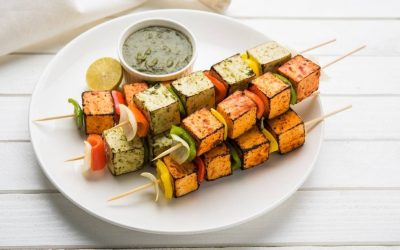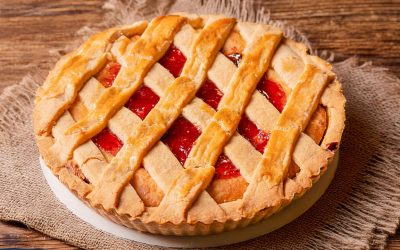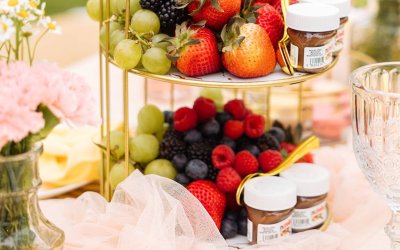


Food tastes better when it looks good. It is hard to resist a plate that catches your eye before you take the first bite. Presentation sets the mood and shows how much care went into every detail. Good food plating mixes skill with a little showmanship, turning an ordinary meal into something colorful, inviting, and memorable.
Research suggests that presentation can even shape how we experience flavor. Diners often find the same meal more enjoyable when it is arranged beautifully. Fine dining chefs have understood this for years, and now home cooks and casual restaurants are joining the fun.
This guide covers practical plating techniques that will help you present food with more confidence. You will learn how to plate food with purpose and create eye-catching dishes that look professional without feeling impossible to make.
Quick Navigation:
- 15 Food Plating Techniques You Should Know
- How to Plate Food Step by Step
- The Art and Discipline of Beautifully Plated Food
- FAQs
15 Food Plating Techniques You Should Know
Mastering plating is like mastering rhythm in music. This means that once you know the beat, you can riff with confidence. These plating tips capture the small details that make beautifully plated food look effortless.
1. Create Height and Structure
Visual excitement starts with elevation. A flat plate says “Tuesday lunch,” while a dish with height whispers “fine dining.” Stack with purpose. Use mashed potatoes or grains as a base to support the main element. A ring mold can help shape layers neatly if you are new to structured plating.

For example, a tender short rib perched on creamy polenta with a drizzle of red wine sauce instantly looks fancier than spreading everything side by side. This kind of creative food presentation adds focus and drama.
Think of your plate as a skyline. Each component contributes to the view, and the tallest building should always be the hero ingredient. Keep it steady so it does not collapse mid-service.
Pro Tips:
- To create an instant professional base, place a large dollop of purée or thick sauce on one side of the plate. Use the back of a spoon to press down and drag it across the surface in one smooth motion. This creates a “track” that looks like a designer’s brushstroke and provides a stable, non-slip surface for your hero ingredient to sit on.
2. Use Color to Inspire Appetite
Color sells flavor long before smell or texture does. The most unforgettable dishes often play with contrast. Deep greens against golden browns, bright reds on a neutral plate, creamy whites beside bursts of orange or pink color pull attention and build appetite.
Chefs in fine dining plating know how powerful it is to use natural color variety. Carrots, cauliflower, and radishes come in shades you do not see in your average grocery bag. Seasonal produce gives you vibrant tones without needing food dye, and it can even inspire new plating palettes drawn from food theme ideas worth repeating.
When arranging food plating, pair colors the way artists handle a palette. Warm ingredients near cool tones create movement, and neutral sauces give the eyes a place to rest. Keep the color story intentional so nothing feels accidental.
3. Play With Texture and Layers
Flat food looks tired. A crisp-on-top, smooth-beneath texture combo wakes up the senses before the fork even lands. Crusts, foams, crumbles, and purees all work together to give the dish depth.

For example, a grilled salmon fillet over silky cauliflower puree topped with toasted crumbs keeps every bite interesting. Modern food plating thrives on texture contrast: soft versus crunchy, glossy versus matte, creamy versus crumbly.
Do not overcomplicate it. Two or three textures are plenty. Each texture should have a purpose beyond decoration, like a crunch that balances softness or a sauce that ties it together. Texture builds dimension that photographs beautifully and tastes even better.
4. Keep Portion and Balance in Mind
Balance is the heartbeat of great food plating techniques. Too much on the plate looks heavy; too little feels stingy. Aim for harmony. Leave breathing space between components so the eyes can rest and the plate feels deliberate.
Picture your layout using the rule of thirds. Place the main item slightly off-center, with supporting sides framing it. Use negative space wisely. Empty space is not wasted; it directs attention where you want it.
Try to limit each dish to about six main elements. Anything beyond that risks visual clutter. Clean balance gives the impression of control and confidence, which is what separates fine dining plating from cafeteria chaos.
Pro Tips:
- Treat the rim of your plate like a picture frame. Unless you are serving a rustic, family-style platter, keep the outer two inches of the plate completely clear of food, sauces, and crumbs. This “negative space” focuses the diner’s eyes exclusively on your arrangement and makes the presentation feel more expensive and curated.
5. Choose the Right Plate
The plate is your stage, and the food is the performer. Wrong stage, wrong drama. The size, shape, and color of your plate all influence the story.

Large plates with wide rims lend a fine dining tone. Smaller plates feel more casual and cozy. White plates let color pop, while dark ones bring moody sophistication. Avoid bright blue; it rarely flatters any ingredient.
Before plating, hold your chosen dish under good light. Does it enhance or steal attention? The right vessel makes creative food presentation easier because it frames your food naturally. Elegant touches like the best cloth napkins for an elegant meal setting can enhance that same sense of refinement at the table. Remember that plating techniques begin long before the first spoon of sauce touches the plate.
6. Use Sauces and Garnishes Wisely
Sauces should guide the eye, not dominate the stage. Spread or dot with purpose. A neat swipe beneath a protein can highlight movement. Dots in a curve can draw attention toward the focal point.
Garnishes deserve the same respect. Use herbs, oils, or edible flowers that add flavor rather than decoration for decoration’s sake. Even small details, like arranging blooms similar to those in stylish bud vases for events, picnics, and everyday spaces, can echo that aesthetic harmony. A bright basil oil can freshen a dish more effectively than a random sprig of parsley.
Fancy plating thrives on control. Every drop and leaf should look as though it belongs. A sauce brush or squeeze bottle gives precision without mess. When in doubt, pull back. A clean design outshines chaos every time.
Pro Tips:
- For true precision, ditch the spoons for garnishing. Use culinary offset tweezers to place delicate microgreens or herbs exactly where they belong. Similarly, transfer your sauces into plastic squeeze bottles; they allow you to create perfect dots, consistent lines, and elegant swirls that are impossible to achieve with a standard ladle.
7. Highlight the Hero Ingredient
Every plate needs a main character. Everything else should play a supporting role that frames and flatters it. This is where thoughtful plating techniques show discipline.

Start with your star item, the steak, the scallop, or even a perfect pie slice inspired by all the different kinds of pie you should know, and position it where the eye lands first. Place sides and sauces to guide the viewer toward it.
In food plating, hierarchy matters. The hero must stand out in texture, color, and position. Avoid covering it with unnecessary garnishes or sauce. Guests should instantly understand what they are meant to adore. Beautifully plated food looks composed, not crowded.
8. Keep It Simple and Clean
Minimalism reads as confidence. Piling on swirls and powders can feel like over-editing a photo. The best plating tips often come down to subtraction.
Choose one focus, two supporting accents, and let them breathe. Wipe plate edges before serving; a single sauce smear ruins the illusion of precision.
Fine dining plating depends on clarity. Think of it as punctuation in writing. Too many commas confuse; too many garnishes distract. A crisp composition says everything you need with quiet authority, just like thoughtful best wine and cheese pairings that balance flavor without cluttering the experience.
9. Match Style to Restaurant Theme
Your plating should echo your restaurant’s voice. A rustic bistro might use hearty mounds of stew in warm bowls, while a modern tasting bar might feature geometric plating and white porcelain. Consistency across the menu builds recognition.

Customers subconsciously connect style with identity. A whimsical dessert served in a casual diner feels odd; a farmhouse salad in a crystal coupe feels forced. Keep your food presentation techniques aligned with who you are.
Some fine dining restaurants work with local artists to design custom crockery that mirrors their ethos. It turns the table setting into part of the brand experience and gives every plate a sense of place.
10. Express Creativity and Personality
Every chef has a visual signature. Plating is where it shines. Do not be afraid to take creative swings. Some chefs splatter sauces for abstract energy, others draw linear trails for minimalist style, and some scatter elements like a painter brushes color on canvas.
Modern food plating celebrates individuality. Experiment with angles, use nature as inspiration, or echo architectural forms. Your approach should say something about you: playful, precise, or daring.
The only rule is control. Even spontaneity looks better when it is practiced. Beautifully plated food reflects both personality and discipline, which together create the kind of presentation diners never forget.
11. Consider How Guests Will Eat the Dish
Beautiful presentation should never make food difficult to enjoy. Guests need to cut, scoop, and combine the ingredients without knocking over a fragile tower or chasing small pieces around the plate.
Keep sauces close to the ingredients they complement. Position firm items where they can be cut safely, and avoid hiding edible components beneath oversized garnishes. Shared plates should also leave enough space for serving utensils.
Effective food plating balances visual impact with comfort. Before serving, consider how the fork and knife will move across the plate. Good presentation should guide each bite instead of creating extra work for the diner.
Pro Tips:
- If you are building a tall structure or placing a protein on a slightly angled surface, use a small “anchor” of thick mash or a dollop of sauce underneath the item. This acts as culinary glue, ensuring your beautiful arrangement doesn’t slide or collapse while the server is walking to the table or when the guest takes their first slice.
12. Use Odd Numbers for Natural Balance
Groups of three, five, or seven often look more natural than even-numbered arrangements. Three scallops placed along a gentle curve, for example, can create more movement than four arranged in a rigid square.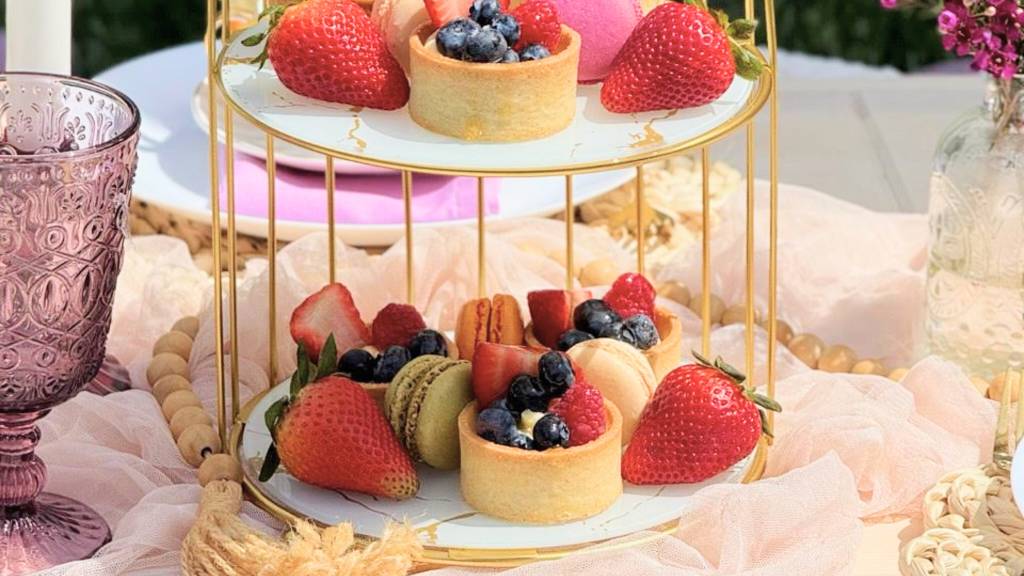
This technique works well for dumplings, vegetables, fruit pieces, sauce dots, and bite-sized desserts. Odd-numbered groups give the arrangement a clear center while keeping the composition relaxed.
Use this plating technique only when it suits the portion. Adding unnecessary pieces to reach an odd number can create clutter. The goal is to improve visual flow without changing the intended serving size.
13. Direct the Eye With Lines and Movement
Strong food plating guides attention toward the most important part of the dish. Curved sauces create a soft sense of movement, while diagonal arrangements can make the plate feel active and modern.
Try placing sliced vegetables in a line that points toward the hero ingredient. Sauce dots can gradually change in size, while long ingredients such as asparagus can establish a clear direction.
One intentional curve or line is usually enough. Too many competing patterns can make the presentation feel restless. Creative food presentation works best when every element helps the eye find the focal point.
14. Control Moisture to Preserve the Presentation
Excess moisture can quickly ruin beautifully plated food. Crisp ingredients soften when placed over wet sauces too early, while undrained vegetables may leave unwanted pools across the plate.
Rest meat before slicing, drain cooked vegetables thoroughly, and place crunchy elements on the dish just before serving. Thicker sauces also hold deliberate shapes better than watery ones.
Modern food plating depends on timing as much as arrangement. Keeping wet and crisp components separate until the final stage protects texture, prevents messy presentation, and helps the dish remain attractive when it reaches the table.
Pro Tips:
- Even the best plating looks amateur if there are greasy fingerprints or water spots on the rim. Before a plate leaves the kitchen, dampen a clean microfiber cloth with a tiny bit of white vinegar or lemon juice and wipe the rim. This cuts through grease and adds a high-gloss shine to the ceramic, making the plate look brand new.
15. Check the Plate From the Diner’s View
Food may look balanced from above but awkward from a seated position. Checking the plate from different angles can reveal hidden ingredients, unstable layers, and distracting empty areas.
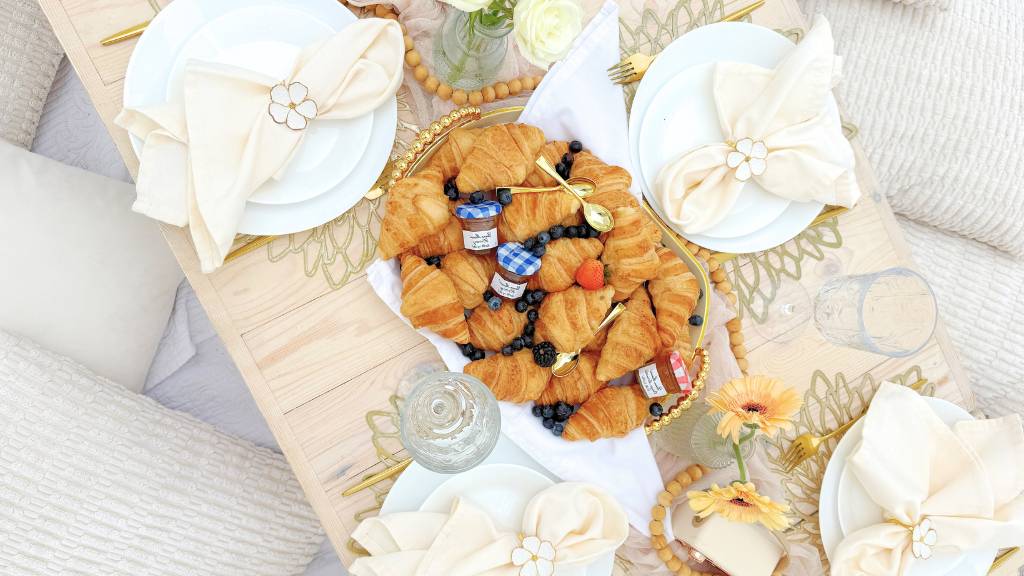
Turn the most attractive side of the hero ingredient toward the guest. Keep important details visible instead of placing them behind tall components. Overhead arrangements suit picnic spreads and sharing boards, while individual entrées must also look appealing from the front.
This final check improves both restaurant service and food photography. Fine dining plating should create a strong impression the moment the dish enters the guest’s view.
How to Plate Food Step by Step
Learning how to plate food step by step turns basic presentation principles into a clear and repeatable routine. Prepare every component before you begin so the food stays at the right temperature, and the final plate looks clean.

Follow this simple food plating process:
- Prepare the plate and tools. Choose a plate that suits the portion. Keep sauces, garnishes, spoons, tweezers, and a clean towel within reach.
- Add the base or sauce. Start with a controlled pool, swipe, or line of sauce. Grains, purees, and vegetables can also provide a stable base.
- Position the hero ingredient. Place the main protein or central component slightly off-center to create a clear focal point.
- Arrange the supporting elements. Add sides around the hero ingredient while leaving enough negative space to prevent crowding.
- Build height and texture. Layer stable components and introduce a crisp, creamy, or crumbly element for contrast.
- Finish with a functional garnish. Choose an edible garnish that adds flavor, aroma, color, or texture.
- Clean and inspect the plate. Wipe the rim, remove stray crumbs, check the balance, and serve immediately.
Following these food plating steps makes plating food professionally feel more controlled, practical, and achievable.
The Art and Discipline of Beautifully Plated Food
Perfect plating sits at the intersection of art and skill. It is not about turning dinner into sculpture; it is about communicating care. Each swipe, sprinkle, and placement tells guests they matter.
Start with small improvements such as tidy lines, smart color contrast, and thoughtful plate choice. Over time, these habits turn into instinct. When that happens, plating xstops being a task and becomes a signature move that elevates every service.
Creative food presentation is a lifelong practice, just like good cooking. Keep refining, keep observing, and remember that the plate is your stage and the food is your story. Serve it proudly, and let every bite look as good as it tastes.
Bring this same artistry to your next gathering with Picnic Times. Every setup, detail, and dish is styled to look as beautiful as it tastes.
FAQs
What are the basic rules of food plating?
Focus on balance, color, texture, portion size, and negative space. Place the main ingredient where it draws attention, then arrange supporting elements around it. Use edible garnishes, keep the rim clean, and avoid overcrowding the plate.
What is the clock method in food plating?
The clock method uses positions on a clock face to arrange food. Place the protein near 6 o’clock, the starch near 10 o’clock, and the vegetables near 2 o’clock. This simple layout creates balance and helps beginners organize each component.
What are the three main food plating styles?
The three common styles are classic, free-form, and landscape plating. Classic plating uses a structured layout. Free-form plating creates a more artistic arrangement. Landscape plating places ingredients across the plate to resemble a natural scene.
Does food presentation affect how food tastes?
Yes. Attractive food presentation can improve a diner’s expectations, appetite, and overall enjoyment. Color, arrangement, portion balance, and plate choice can make the same meal seem more flavorful and valuable.