

Key Takeaways:
- Always keep hot foods at 140 degrees Fahrenheit or higher to prevent bacterial growth and ensure your meal is safe. Using a food thermometer is the most reliable way to check that your dishes are at the correct temperature before you eat.
- You can learn how to keep your food warm for a picnic by using insulated bags, wrapping containers in aluminum foil, or preheating your carriers with hot water. These simple tricks help trap heat for several hours so your food stays fresh and delicious.
Picnics have a special way of turning a simple meal into a small outdoor treat. Good food, fresh air, a soft blanket, and the people you love can make even a casual afternoon feel a bit more memorable. The only tricky part is how to keep your food warm for a picnic long enough to enjoy it at its best.
No one wants to open a container and find lukewarm soup, cold pasta, or chicken that lost its comfort-food charm along the way. With a little planning and the right packing tricks, you can keep your dishes warm, tasty, and ready to serve once everyone settles in.
Here are practical ways to keep your picnic food hot and satisfying so your outdoor meal stays as enjoyable as you planned it to be.
Quick Links:
- What Food Temperatures are Safe
- How to Keep Your Food Warm for a Picnic: 12 Valuable Tips
- Pre-Picnic Preparation Tips
- Best Foods to Keep Warm for a Picnic
- Keep Your Food Warm and Ready to Enjoy
- FAQs
What Food Temperatures are Safe
Keeping the food within a safe temperature zone prevents the growth of some undesired germs. According to the United States Department of Agriculture (USDA), hot foods should be held at 140 °F or above, which comes to about 60 °C. Here’s a handy guide about safe temperatures of food:

- Hot foods must be held at 140 °F (ca. 60 °C) or higher.
- Cold foods must be held at 40 °F (4.44 °C) or below.
- Food should not be left at room temperature for longer than two hours; if the outside temperature is above 90 °F or 32 °C, that time reduces to one hour.
Allowing food to reach the correct temperature reading on the thermometers will ensure that it is safe for serving and not likely to cause foodborne illness.
Pro Tip:
- Keep a food thermometer in your picnic basket to check your dishes every hour. If the temperature drops below 140 degrees, you should serve the food immediately or pack it away.
Keep Your Food Warm: 12 Valuable Tips
It enhances the dining experience, serving fresh food at the required temperature. But how can you keep food warm for a time outdoors? Here are some detailed ways you can do it:

1. Insulated carriers
Insulated carriers are perfect for controlling temperature. Most of these products contain layers of insulating materials that help retain the temperature of the food for a few hours. They work best with hot dishes, such as casseroles and grilled foods.
2. Aluminum foil
Wrapping food very closely with aluminum foil will significantly help in retaining heat. Since aluminum is a good reflector of heat, it will bounce back the heat onto the food, not allowing for a slow-down cold process. However, the foil should completely cover your food to trap heat effectively.
Pro Tip:
- Wrap your foil-covered containers in a thick kitchen towel for a second layer of protection. This double insulation traps the heat much longer than using foil alone.
3. Thermal cookers
A thermal cooker first cooks food using a heat source and then uses its insulated chamber to keep the food hot for the longest time without further heating. It’s perfect for stews, soups, and other dishes that benefit from slow cooking.
4. Hot Water bottles
Putting heated water bottles on the sides of the food containers can be a sustained heat source. Just seal bottles tightly, then wrap them in cloth so they do not come in direct contact with the sides of the food containers.
5. Heated bricks or stones
Warm some bricks or large stones in an oven and then wrap them in a cloth to prevent scorching. Place them at the bottom of your cooler or picnic basket. The heat will be held and will slowly rise. This way, the foods you place on top of these stones or bricks, which you put above the ones you had preheated, will remain warm.

Pro Tip:
- Always wrap hot stones or bricks in a thick towel before placing them in your carrier. This prevents the heat from melting your plastic containers while still keeping the air inside nice and warm.
6. Wool or fleece blankets
Use wool or fleece blankets for their insulating value. Wrap those around your food containers to retain the heat. The thicker the blanket, the better it insulates.
7. Portable heating pads
Portable microwave or chemical heating pads can be activated and placed in the picnic basket with food containers. They work quite well at keeping temperatures warm for several hours.
8. Preheat the containers
This approach can significantly extend the time your food will stay warm. Fill the container with boiling water, let it sit for a few minutes, then empty and add your hot food. This method reduces temperature shock from placing hot food in a cold container.
9. Thermal lids
Vessel-specific thermal lids go a long way in helping lock heat better than regular lids otherwise would. These are almost like the technology available for thermal flasks, which ensure that heat is locked in insufficiently.
10. Slow cookers with car adapters
Bring a slow cooker with a car adapter for picnic spots close enough to your vehicle to keep food warm until serving time.
11. Insulated casserole dish carriers
These carriers are specially designed to transport hot dishes, say, casserole dishes. They often contain high-density insulation material and ensure that you have warm food for a few hours.

12. Stacking and packing
This method will also help keep dishes warm. Put your containers with hot food close to one another in a cooler with the hottest items on the bottom. Use towels in empty spaces to reduce air circulation and help keep the temperature inside.
13. Use a preheated cooler as a warm box
Coolers are not only for cold food. You can also use one to keep hot food warm. Pour hot water inside the cooler, close the lid for a few minutes, then empty and dry it before adding your hot food containers. This helps create a warm space that holds heat longer.
14. Pack food right after cooking
Pack your food while it is still hot, not after it has cooled on the counter. The hotter the food is when packed, the longer it can stay warm during the trip. Use sealed containers right away and place them inside your insulated carrier as soon as possible.
15. Use heat-safe glass or stainless steel containers
Glass and stainless steel containers often hold heat better than thin plastic containers. They are also more suitable for hot dishes like pasta, rice bowls, roasted vegetables, and grilled meats. Choose containers with tight-fitting lids to help trap steam and warmth.
Pre-Picnic Preparation Tips
Proper preparation before you head out to a destination will surely make an incredible difference in keeping your food warm. Here are some of the tips:
- Preheat your containers: Preheating insulated carriers with hot water before adding food can prolong their retention time.
- Cook foods thoroughly: Pack only foods that have reached the recommended safe internal temperature. This approach will ensure they are at the best temperatures.
- Pack cold and hold dishes separately: Keep your food hot and cold in separate containers to prevent heat transfer.
Pro Tip:
- Choose the smallest container possible for your hot food. Having less empty air space inside the container helps the food hold onto its heat for a much longer time.
Best Foods to Keep Warm for a Picnic
Some foods hold heat better than others, so choose dishes that are moist, dense, and easy to pack. These options usually stay warm longer in insulated containers and still taste good when served outdoors.

Good warm picnic foods include:
- Soups, stews, and chili: These hold heat well because they have liquid and dense ingredients. Pack them in a preheated thermal jar.
- Pasta bakes and casseroles: Mac and cheese, lasagna, baked ziti, and chicken casserole travel well because they are compact and filling.
- Rice and grain bowls: Fried rice, curry rice, pilaf, and quinoa bowls are easy to portion and serve from insulated containers.
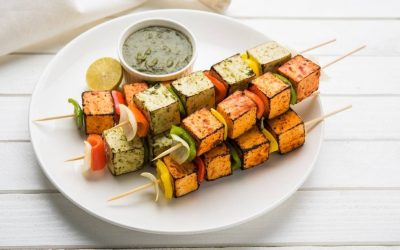
- Grilled meats and skewers: Chicken skewers, sausages, meatballs, barbecue chicken, and pulled pork are easy to wrap and serve.
- Roasted vegetables and potatoes: These stay enjoyable when warm and do not need much setup at the picnic site.
- Warm sandwiches and wraps: Breakfast burritos, paninis, and pulled pork sandwiches are portable and easy to eat.
For best results, pack sauces separately when possible and keep hot foods sealed until serving.
Pro Tip:
- If you are packing fried foods like chicken or potatoes, poke a few tiny holes in the foil wrapping. This allows a little steam to escape so your food stays warm without becoming soggy.
Keep Your Food Warm and Ready to Enjoy
A successful picnic does not end with just preparing great food; it also includes ensuring such meals remain pleasurable and safe by keeping them warm. You can, therefore, master the art of keeping your food warm for a picnic with tips like proper equipment and following temperature guidelines for safety.
Keeping food warm for a picnic takes smart planning, safe temperatures, and the right packing tools. Choose dishes that hold heat well. Use insulated containers, preheat your carriers, and pack hot and cold foods separately. Small steps such as wrapping dishes tightly, filling empty spaces with towels, and checking food with a thermometer can keep your outdoor meal safer and easier to serve.
For a smoother picnic, plan your menu around foods that travel well. Good choices include soups, stews, casseroles, rice bowls, grilled meats, roasted vegetables, and warm wraps. These dishes stay satisfying longer and require less setup once you arrive.
Picnic Times creates beautiful and comfortable picnic experiences for people who want less stress around planning, packing, and setup. With thoughtful details and a relaxed outdoor dining atmosphere, Picnic Times gives you an easier way to enjoy your next picnic.
FAQs
How long will food stay hot in an insulated carrier?
Food usually stays hot in a well-insulated carrier for 2-4 hours. This amount, however, may vary with the outside conditions or, otherwise, the quality of your container.
Can I heat food at the picnic site?
Yes. You can reheat food safely at the site using portable cookware like camping stoves. Take all measures to ensure complete safety from accidents.
What are the best picnic foods to keep warm?
Pulled pork, beans, and mac and cheese are good at holding their temperatures and are popular picnic foods for keeping them warm.
Is keeping our food in the car safe while we go off and do other activities?
It’s usually never a good idea to leave perishable food in a car for a long time, especially on hot days of the year, when temperatures can quickly soar, providing the perfect setting for bacterial growth. Should you need to store your food in your car, keep it cool with ice packs in a cooler.
Can insulated containers affect the taste of my food?
Well-insulated bags are supposed to maintain the temperature without affecting food taste. However, you must clean and store these coolers well to prevent residual odors or flavors from other meals.
How do I know my food is at a safe temperature when I picnic?
A food thermometer is the best way to ensure the food is at a safe temperature. Keep hot foods at 140 °F (60 °C) or hotter and cold foods at 40 °F (4.44 °C) or colder. Always check the temperatures frequently, especially during an extended picnic.
What do I do with leftover food from a picnic?
Treat leftover food with respect. If it has not been out for more than two hours or one hour and the temperature is higher than 90 °F (ca. 32 °C), it must be pretty safe to pack and take home. Then, store it in the refrigerator for two hours. If one doubts how long the food sits out, err on the side of caution and discard it to avoid the risk of foodborne illness.